Material Notes
Choosing Steel Grades for Machined Components
How to select a steel grade for custom machined components, covering common carbon and alloy grades and the factors that drive the choice.
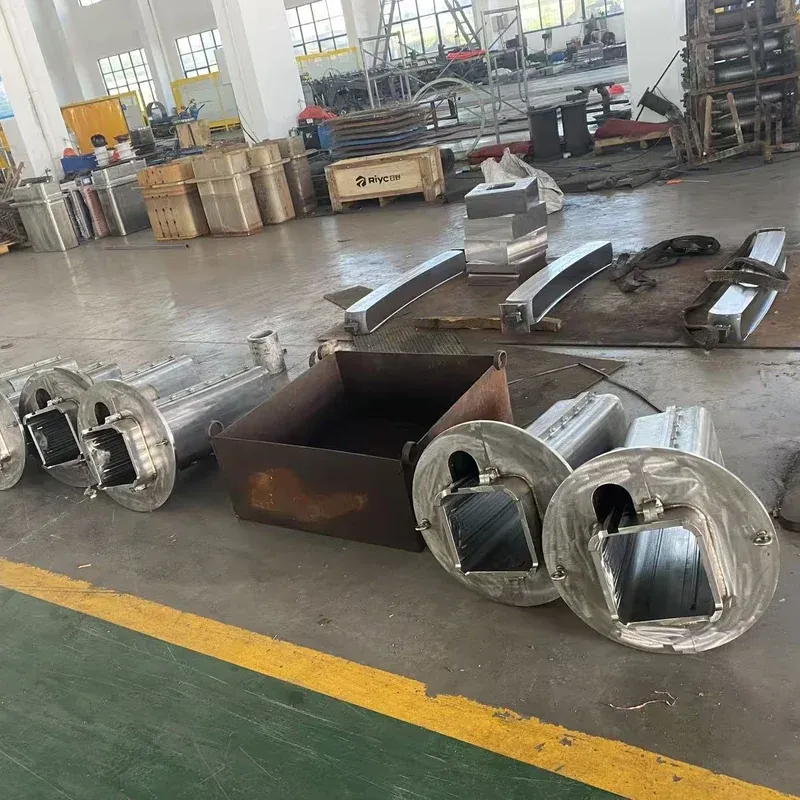
The steel grade specified on a drawing affects machinability, weldability, strength and how the finished component behaves in service. This guide covers the factors that usually drive the choice and what to include when requesting a quotation.
Establish the Service Requirements First
Grade selection should follow from what the component has to do.
Relevant questions include:
- What loads does the component carry, and are they static or cyclic?
- Does it need wear resistance at specific surfaces?
- Will it be welded, and how thick are the sections?
- Is there a temperature range or environment to consider?
- Are there corrosion requirements?
The answers narrow the field considerably before any specific grade is discussed.
Common Carbon Steel Grades
Carbon steels are the starting point for most heavy steel fabrication and machining work.
Typical families include:
- Structural carbon steels used for fabricated frames, bases and general components
- Higher-strength structural grades where load or weight drives the design
- Pressure-vessel quality grades where through-thickness properties matter
These grades are generally weldable and machinable, which is why they dominate fabrication work.
Alloy Steels for Higher Demand Applications
Where a component needs higher strength, hardness or wear resistance than carbon steel provides, alloy steels are used.
Common applications include:
- Shafts and pins subject to load and wear
- Components requiring heat treatment to reach a specified hardness
- Parts where higher strength allows a lighter section
Alloy steels typically require more attention to machining parameters and heat treatment sequence.
Weldability and Section Thickness
If a component is welded, weldability becomes a primary consideration. As section thickness increases, the risk of cracking and distortion grows, and preheat or post-weld measures may be needed.
For thick-section welded components, the grade choice and welding procedure should be considered together rather than independently.
Machinability
Machinability affects both cost and achievable surface finish. It varies between grades and is influenced by hardness, microstructure and any heat treatment.
Where a component will be machined after welding, the condition of the material at the machining stage matters as much as the nominal grade.
Practical Approach for Buyers
A workable sequence when specifying a machined steel component:
- Define the service requirements and any relevant standard
- Select a grade family that meets them
- Confirm weldability if the component is fabricated
- Confirm machinability at the stage machining takes place
- State the requirement clearly on the drawing
If the grade is already fixed by an existing design or a customer standard, state it in the RFQ along with the drawing.
What to Include in the RFQ
- Material grade or specification, if fixed
- Service requirements, if the grade is open
- Drawing files in PDF, DWG, DXF or STEP
- Required quantity
- Welding and machining stages required
- Inspection and documentation requirements
When several steel grades are involved in one assembly, list them separately so the supply scope stays clear.
Sourcing Multiple Components
Custom steel component projects often combine several material specifications across a single assembly. Reviewing the drawings together allows the manufacturing route to be planned as a whole, including the sequence of cutting, machining, welding and inspection.
Send your drawings and material specifications to sales@vehoon.com for review. We will confirm the manufacturing route and quotation requirements for your project.