Sep 14, 2026Manufacturing Guides
CNC Machining vs Welding: Choosing the Right Manufacturing Route
How to choose CNC machining, welding or an integrated production route for custom steel components.
CNC Machining vs Welding: Choosing the Right Manufacturing Route
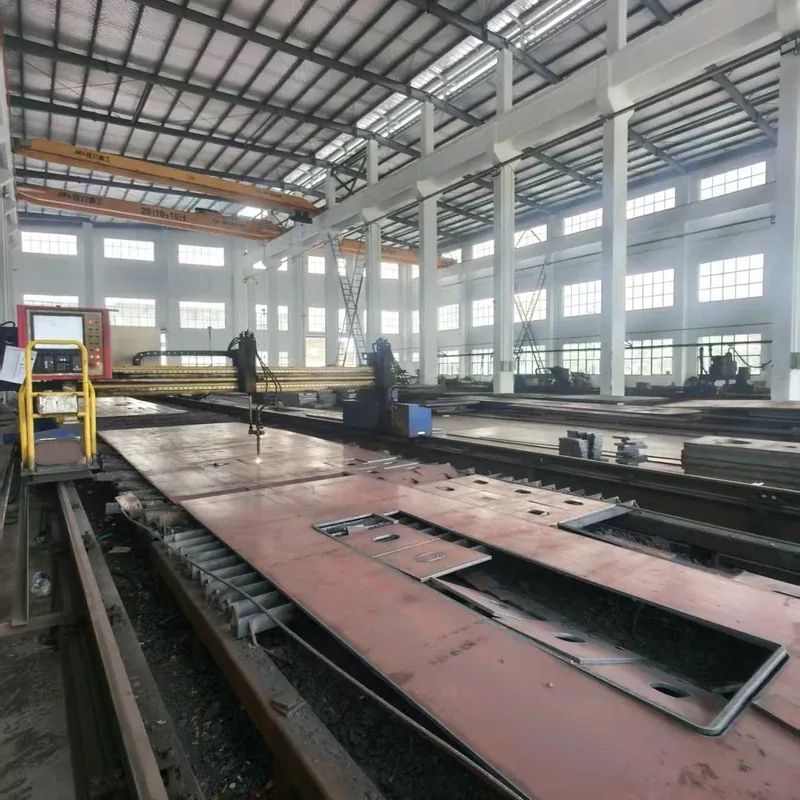
Custom steel components often require more than one production stage. The right route depends on the drawing, the functional surfaces, the part geometry and the delivery stage required by the buyer.
Choose CNC machining when the part needs accurate holes, mounting surfaces, slots, bored features, milled faces, drilled holes or turned features. Machining is commonly used after plate cutting and can also be used after welding when the drawing requires finished reference surfaces or functional interfaces.
Choose welding and fabrication when several cut or machined steel parts must be fitted together into a frame, base, housing or larger fabricated component. Welding can combine parts into an assembly before final inspection and delivery.
Many industrial projects use an integrated route. Steel plate is cut to create blanks, key features are machined, parts are fitted and welded, and final machining is completed when required by the drawing. This approach can reduce handovers between suppliers and clarify responsibility for the finished component.
Define the required delivery stage in the RFQ. A buyer may need cutting blanks, machine-ready parts, machined parts, welded assemblies or finished steel components. Include the drawing, material, dimensions, quantity, critical tolerances, required processes and inspection requirements.
VHOFAB supports drawing-based steel plate cutting, CNC machining, welding and assembly for machinery and industrial equipment. Send drawings and technical requirements to info@vhofab.com for a manufacturing review.